 DONATE NOW
Understanding Elevated Eye Pressure and Its Impact on Vision
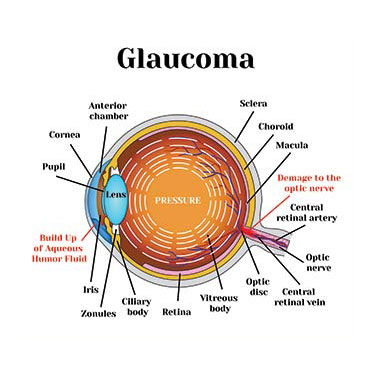
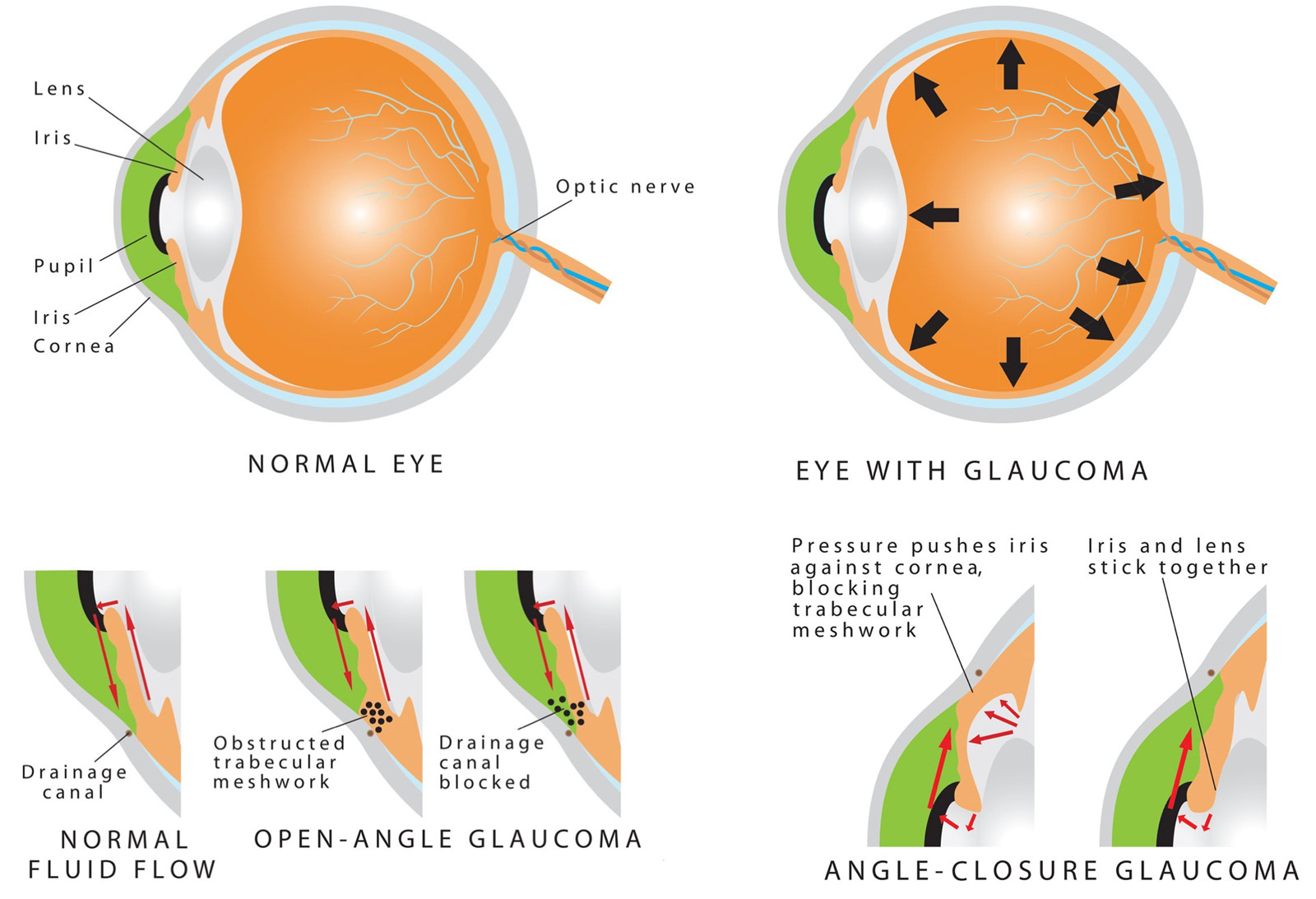
Elevated eye pressure, also called high intraocular pressure (IOP), occurs when the pressure inside the eye is higher than normal. Eye pressure can rise when fluid does not drain from the eye as efficiently as it should. Although elevated eye pressure does not always mean that a person has glaucoma, it can increase the risk of damage to the optic nerve over time.
The optic nerve carries visual information from the eye to the brain. When increased pressure damages this nerve, changes in vision may occur. Glaucoma can develop slowly and may not cause noticeable symptoms in its early stages. For this reason, many people may not realize that their eye pressure is elevated or that glaucoma-related damage has begun.
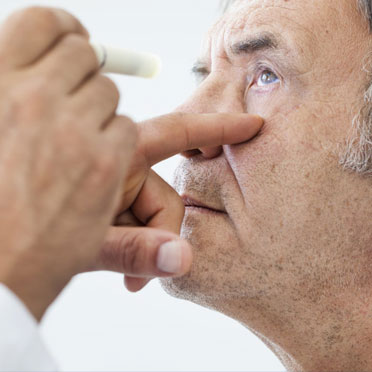
Regular comprehensive eye exams are important for monitoring eye pressure and checking the health of the optic nerve. During an eye exam, an eye care professional may measure eye pressure, examine the optic nerve, evaluate the drainage angle, and perform other tests to look for signs of glaucoma. These tests can help identify elevated eye pressure and changes before significant vision loss occurs.
Treatment for elevated eye pressure depends on a person’s overall risk of developing glaucoma and the results of eye examinations. Some people may only need regular monitoring, while others may benefit from treatment to lower eye pressure. Treatment options can include prescription eye drops, laser procedures, or surgery, depending on the individual situation.