 DONATE NOW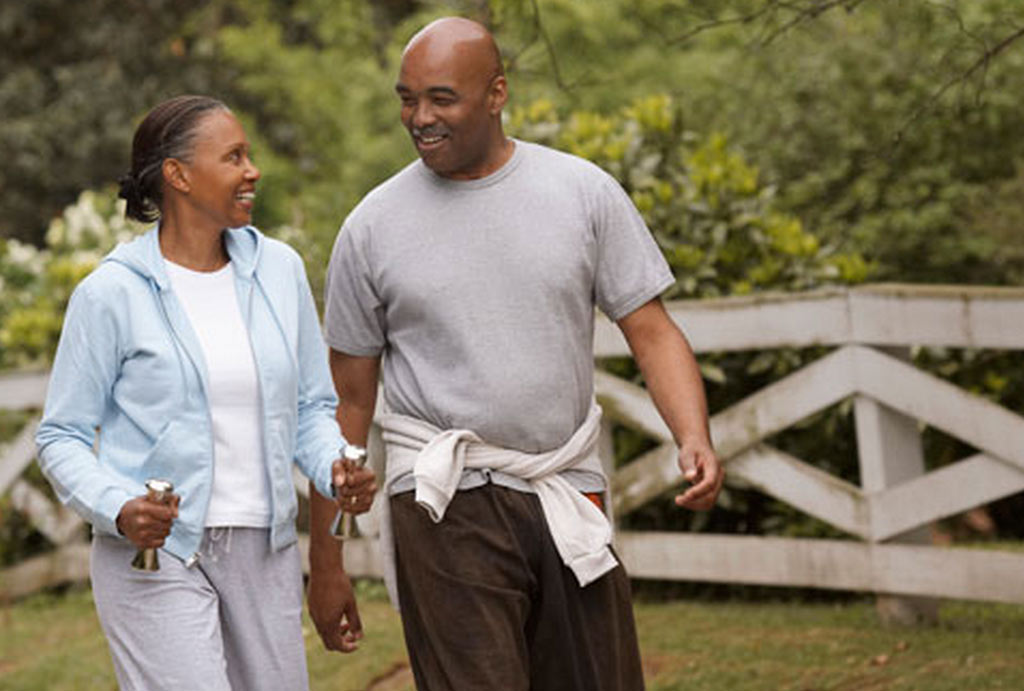
The Role of Exercise in Glaucoma Management
Exercise for glaucoma patients may be beneficial. Research has shown that regular exercise may lower intraocular pressure (IOP) in glaucoma patients. It does not have to be rigorous exercise to have a beneficial effect, but rather a brisk walk every other day for 20 to 30 minutes. Only your glaucoma specialist can determine if you have the type of glaucoma that would benefit from exercise and adequately assess the positive effects on your eye (intraocular) pressures.
Other risk factors such as family history, race, advancing age, diabetes, nearsightedness and high blood pressure are more difficult to measure and, in some cases (family history), impossible to change. Some factors we can influence, however. There is some recent evidence suggesting that regular exercise can reduce eye pressure. As an added benefit, regular exercise can have a positive impact on other glaucoma risk factors, such as diabetes and high blood pressure.
Prevention is a Key Word in Glaucoma Management
Recent evidence indicates that regular exercise can reduce eye pressure. Although researchers have long known that a single exercise session temporarily lowers eye pressure, new studies show that regular exercise reduces eye pressure for longer periods.
These studies involved patients with high eye pressure who also had sedentary life-styles. Exercising for three months, they had an average of 20 percent reduction of their eye pressures. Regular exercise maintained this beneficial lowering of eye pressure for several years, but stopping exercise caused the effect to disappear.
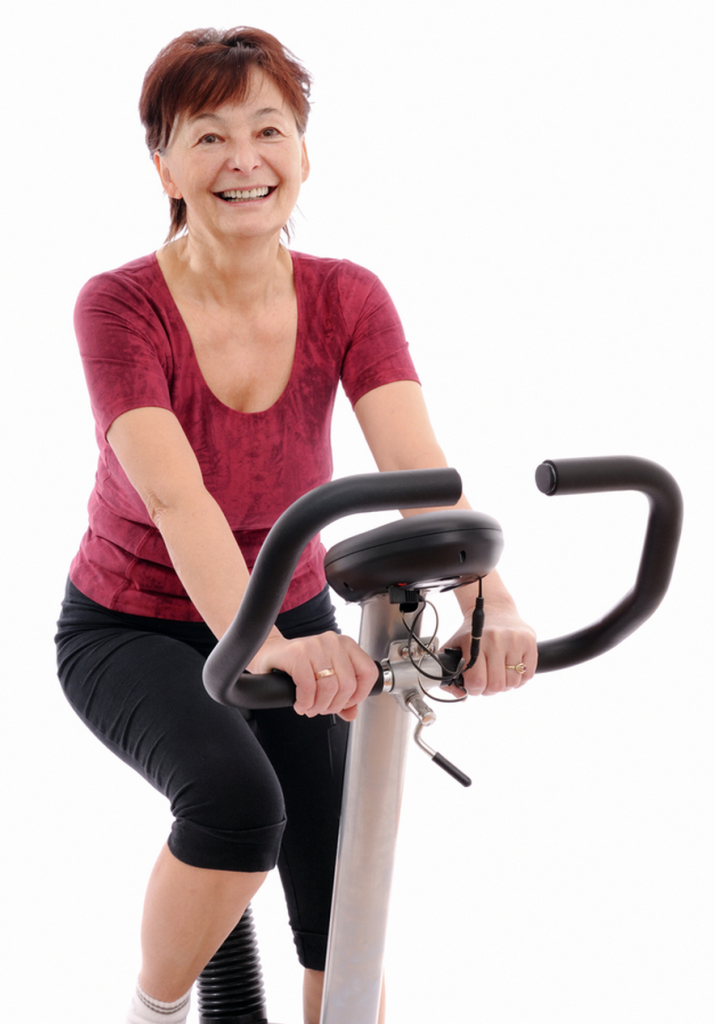
These studies involved healthy, but sedentary, patients who were first tested to determine if it was safe to exercise and to determine proper intensity of exercise. Exercise sessions were four times per week, and involved stationary cycling for 40 minutes each session. Participants saw measurable improvements in eye pressure and physical conditioning within three months. Continuing to exercise at least three times per week maintained these benefits. Participants who stopped exercising for more than two weeks lost the eye pressure-lowering effect.
Stationary Cycling
Doctors prescribe routine exercise to prevent and treat high blood pressure, diabetes, heart disease, emphysema, osteoporosis, and depression. While it cannot cure glaucoma, regular exercise may help prevent vision loss by reducing several glaucoma risk factors.
Those considering beginning an exercise program should discuss it with their eye doctor. The doctor may first recommend seeing a family physician or internist to ensure exercise is safe and determine the appropriate intensity. Some forms of glaucoma (such as closed-angle glaucoma) may not be amenable to effects of exercise. Other forms of glaucoma (for example, pigmentary glaucoma) may actually develop a temporary rise in eye pressure after exercising vigorously. Only your eye doctor can assess the effects of the exercise on your eye pressure. And remember—exercise does not replace medications or doctor visits!
Stationary cycling, as used in the studies mentioned, is easy to do and has low risks for injury. Other forms of exercise and less intense exercise may be acceptable, but have not been carefully studied. Even walking can briefly lower eye pressure. Try walking instead of driving, or go for a stroll with your family or friends. Remember, exercise programs need to be regular and can require a great deal of effort to maintain. So keep it simple! Keeping physically fit should be easy and fun, and it may help reduce your risk for glaucoma.