
 DONATE NOW
Minimally Invasive Glaucoma Surgery
iStent® for glaucoma is a minimally invasive implant used to help lower intraocular pressure (IOP) in people with open-angle glaucoma. The iStent® is a Micro-Invasive Glaucoma Surgery (MIGS) device implanted during cataract surgery to improve the eye’s natural drainage and help lower eye pressure.
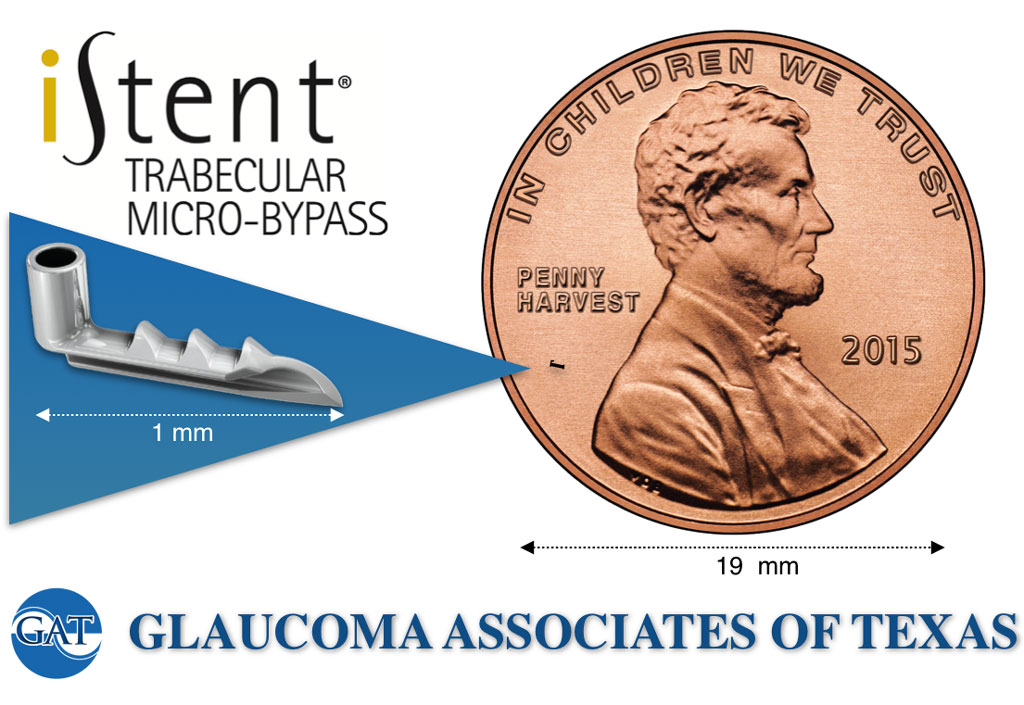
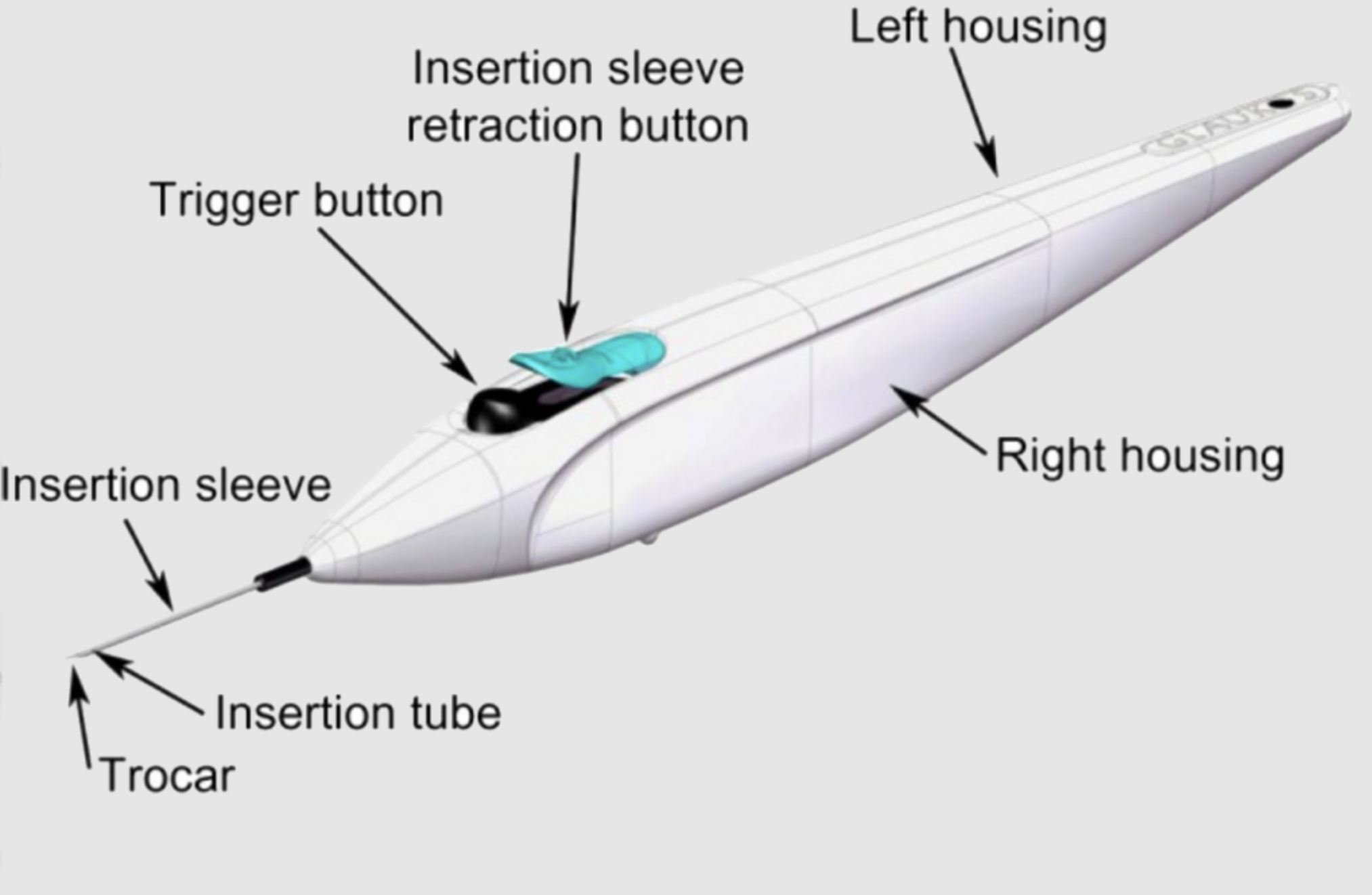
The iStent® is the first minimally invasive FDA-approved implantable device to treat open-angle glaucoma. Doctors perform the iStent® as a Micro-Invasive Glaucoma Surgery (MIGS) alongside cataract surgery. Consequently, performing it with cataract surgery eliminates the need for additional incisions. The surgical procedure involves placement of a tiny 1mm long titanium device through the trabecular meshwork and into Schlemm’s canal to enhance aqueous outflow from the anterior chamber and lower intraocular pressure. Although the iStent® is made of titanium, patients can safely undergo MRI scans in most circumstances; please contact our office with any questions or visit the iStent® MRI Safety page.
This procedure does not involve opening up the conjunctival tissues to access Schlemm’s canal. This is a major advantage of this procedure as it makes future glaucoma surgery (if needed) a lot simpler with less risk of failure.
Who Is a Good Candidate for iStent® for Glaucoma?
Doctors use the iStent® to surgically treat mild to moderate open-angle glaucoma. They avoid it in patients with primary or secondary angle-closure glaucoma, neovascular glaucoma, thyroid eye disease, retrobulbar tumors, Sturge-Weber Syndrome, or any condition that raises episcleral venous pressure.
How Does the iStent® Trabecular Micro-bypass Work?
Additionally, it increases the flow of aqueous humor from the anterior chamber directly into Schlemm’s canal and out through the collector channels. This procedure routes fluid through normal physiological pathways and does not create a ‘bleb’ on the eye’s surface.
For more details visit the iStent® website.
What Steps Does an iStent® Trabecular Micro-bypass Procedure Involve?
After you and your doctor decide to proceed with an iStent®, our preoperative scheduler will give you detailed instructions on preparing for surgery and reaching the operating room. See Preoperative instructions for more information.
Doctors perform this outpatient procedure in an ambulatory surgery center. The surgery usually takes about one hour, but you will stay at the center for around three hours. Surgeons use local anesthesia with intravenous sedation. After surgery, staff cover the eye with a patch and plastic shield overnight. The next morning, your ophthalmologist removes the patch and shield, examines your eye, and prescribes eye drops to prevent infection and reduce inflammation. For more details, click on Postoperative instructions.
For several weeks following the surgery, your ophthalmologist will observe your eye closely and examine you frequently. It may take up to 12 weeks after your surgery for the healing to be complete. During this time it is not unusual for your intraocular pressure, as well as vision, to fluctuate. You will be ready to change your glasses prescription at around 6-8 weeks after surgery.