
 DONATE NOW
Understanding Glaucoma Light Sensitivity and Glare
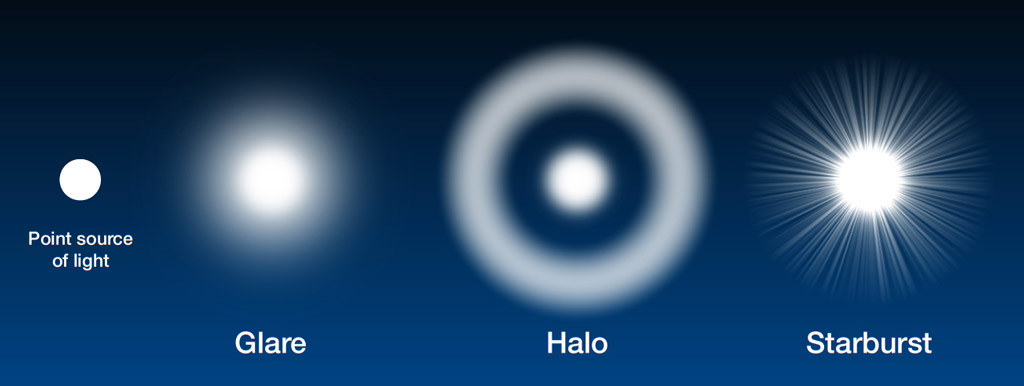
Glaucoma light sensitivity, also called photophobia, and glare can make outdoor activities, driving, and everyday tasks more difficult. People with glaucoma may experience discomfort from sunlight, headlights, incandescent lights, or fluorescent lights. Additionally, some glaucoma medications may also contribute to problems with glare.
A bright sunny day can cause not only discomfort due to a patient’s sensitivity, but also create glare off surfaces such as sand, water, glass, or pavement. In addition, some glaucoma medications (miotics) constrict the pupils which can be a contributor to glare problems. Furthermore, the combination of glaucoma and increased sensitivity to light can really impact daily living.

Sunglasses for Glaucoma Patients
Cost and color (darkness) of sunglasses are not necessarily good determining factors for effectiveness. Expensive sunglasses do not always provide the best eye protection, and a dark tint doesn’t always block UV rays adequately. For those with light sensitivity due to glaucoma, it’s essential to prioritize UV protection over cost or shade darkness.
Following these sunglass tips will help you acquire the best eyewear for managing glaucoma:
- When purchasing sunglasses, be sure the label states that they provide 99-100% blockage of UV rays or “UV absorption up to 400 nm” – this is 100% absorption.
- To ensure that enough light and glare are screened out, look in the mirror while wearing the sunglasses. If you can easily see your eyes through the lenses, they may not be dark enough for outdoors.
- Consider wraparound sunglasses for extra protection, as they help prevent light and UV rays from entering through the sides.
- Use attachable tinted lenses for different types of lighting. Yellow, amber, or brown tints are effective at cutting glare from fluorescent lights, while darker shades may be needed outdoors on a bright day. Moreover, experiment with tints to see what work best for you since needs are varied for the different types of glaucoma. Wearing the right sunglasses can minimize discomfort related to light sensitivity and glare caused by glaucoma.
Your glaucoma specialist can assist you with additional information about tinted lenses. Since the experience of glaucoma light sensitivity is different for every patient, personalized advice is always recommended.
Other sunglass features that can benefit glaucoma patients include:
- Mirrored/metallic coating: Helpful in high-glare situations and reduces how much visible light enters the eyes, especially for people dealing with sensitivity issues related to glaucoma.
- Polarized: Cuts reflected glare and can be especially beneficial while driving, on water, or in snowy environments
- Gradient: Shaded darker on top (or top and bottom) and lighter in the middle, allowing good visibility while cutting glare from above or below
- Photochromic: Lenses which darken in bright lights and lighten in lower lighting
Driving with Glaucoma
Glare problems and light sensitivity from glaucoma can be a serious complication while driving. Many glaucoma patients choose to avoid night driving due to the headlight glare making it difficult to see well at night. If lightly tinted (yellow or amber) eyewear is unhelpful at reducing headlight glare, you may need to consider rearranging your schedule to drive during the day. Alternatively, you can ask a friend or relative to drive you. For day driving, many glaucoma patients successfully utilize darker lenses to reduce sunlight glare and sensitivity. These strategies can be vital for dealing with the challenges of glaucoma light sensitivity when behind the wheel.
Warning signs that driving may be dangerous include:
- Loss of peripheral vision: Without full vision, drivers may have difficulty seeing obstacles, other vehicles, or pedestrians from the side. Moreover, reaction time may also be affected if glaucoma and sensitivity to light are also present.
- Blurred vision: If vision is becoming blurry, drivers may not be able to distinguish images clearly, such as pedestrians, passing cars, and road signs.
- Increased light sensitivity: If your eyes are requiring longer periods of time to adjust to sunlight or headlight glare, you may need to limit driving.
- Close calls or vehicular accidents: If you begin to experience near misses or are involved in one or more collisions in which you are at fault, you may need to have your driving evaluated.
If driving concerns you, ask a trusted friend or family member to ride with you. Ask them for an honest opinion about your driving. Be ready to accept driving advice given to you out of genuine concern. While it is difficult to consider giving up some independence, your safety should be the primary concern. In addition, most cities have multiple inexpensive options in regards to transportation. Your glaucoma doctor or occupational therapist can be good resources for you, as well.
Glaucoma can cause extreme light sensitivity, glare, and difficulty driving. If you experience these symptoms, contact a fellowship-trained ophthalmologist for an evaluation.
For more information about protecting your eyes from ultraviolet light, visit the National Eye Institute’s guide to keeping your eyes healthy. Learn more about glaucoma light sensitivity and glare, especially if these symptoms concern you.